
Paper Recycling Perth: A Practical Guide for Sustainable Waste Management

Paper waste is one of the most common forms of waste generated by households and businesses across Perth. With growing environmental awareness and stricter waste management expectations, understanding how paper recycling works has become essential. This guide explores paper recycling in Perth, outlining processes, benefits, and practical steps for effective waste management.
Whether you operate a small office or a large commercial facility, adopting proper recycling practices can reduce environmental impact while improving operational efficiency.
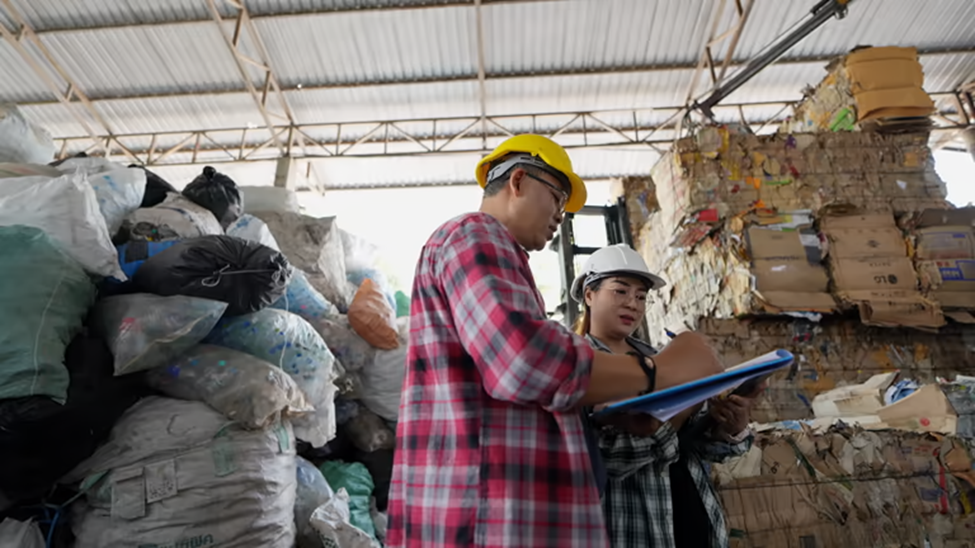
Why Paper Recycling Matters in Perth
Paper products account for a significant portion of landfill waste. Without proper recycling, valuable resources are lost, and environmental harm increases. This highlights the importance of effective paper recycling perth practices for both businesses and households aiming to reduce waste and support sustainability.
Environmental Impact
Recycling paper reduces the need for raw materials such as trees and water. It also lowers greenhouse gas emissions associated with manufacturing new paper products. In Perth, where sustainability initiatives are increasingly emphasised, paper recycling contributes to broader environmental goals.
Economic Benefits
Recycling can also offer cost efficiency for businesses. By reducing general waste volumes, companies may lower disposal costs. Additionally, structured recycling programs can improve operational processes and compliance with waste regulations.
How Paper Recycling Works
Understanding the recycling process helps businesses implement better waste practices.
Collection and Sorting
Paper waste is collected from homes and businesses and transported to recycling facilities. At this stage, materials are sorted into categories such as:
Office paper
Cardboard
Newspapers
Mixed paper
Contamination, such as food residue or plastic coatings, is removed to ensure quality.
Processing
Sorted paper is then shredded and mixed with water to create pulp. This pulp is cleaned to remove inks and adhesives. After refining, it is processed into new paper products.
Manufacturing
The recycled pulp is used to produce new items such as:
Office paper
Packaging materials
Tissue products
This closed-loop system reduces the demand for virgin materials.
Types of Paper That Can Be Recycled
Not all paper products are suitable for recycling. Understanding what can and cannot be recycled is essential for effective waste management.
Recyclable Paper
Office paper and printer paper
Newspapers and magazines
Cardboard and cartons
Paper packaging
Non-Recyclable Paper
Greasy or food-contaminated paper
Wax-coated or laminated paper
Thermal paper receipts
Paper mixed with plastic or foil
Ensuring proper separation helps maintain the quality of recycled materials.
Paper Recycling Services in Perth
Businesses in Perth often rely on professional services to manage their recycling needs effectively.
Commercial Recycling Solutions
Commercial paper recycling perth services are designed for businesses generating large volumes of paper waste. These services typically include:
Scheduled collection
Secure document destruction
Waste audits and reporting
Companies such as CDD1 provide tailored waste management solutions, supporting businesses in improving recycling efficiency while maintaining compliance.
Office Recycling Programs
Office paper recycling services perth focus on smaller-scale operations. These programs often involve:
Dedicated recycling bins
Employee awareness initiatives
Regular pickups
By implementing structured programs, offices can significantly reduce landfill contributions.
Benefits of Paper Recycling for Businesses
Adopting paper recycling practices offers multiple advantages beyond environmental impact.
Improved Sustainability
Businesses can align with sustainability goals and demonstrate environmental responsibility. This is increasingly important for stakeholders and customers.
Regulatory Compliance
Waste management regulations in Australia require proper handling and disposal of materials. Recycling helps businesses meet these requirements.
Cost Management
Reducing general waste can lead to lower disposal fees. Efficient recycling systems also streamline waste handling processes.
Enhanced Brand Reputation
Sustainable practices contribute to a positive business image. Companies that prioritise recycling are often viewed more favourably by clients and partners.
Best Practices for Paper Recycling in Perth
Implementing effective recycling strategies requires planning and consistency.
Conduct a Waste Audit
Understanding the type and volume of paper waste generated is the first step. A waste audit helps identify opportunities for improvement.
Provide Clear Bin Labelling
Clearly labelled bins encourage proper disposal and reduce contamination.
Educate Employees
Staff awareness plays a crucial role in recycling success. Training sessions and reminders can improve participation.
Partner with a Reliable Service Provider
Working with experienced providers like CDD1 ensures consistent collection and proper processing of recyclable materials.
Common Challenges in Paper Recycling
Despite its benefits, paper recycling can present challenges.
Contamination Issues
Improper disposal of non-recyclable materials can compromise entire batches of recyclables.
Lack of Awareness
Employees may not fully understand recycling guidelines, leading to incorrect disposal.
Storage Constraints
Businesses with limited space may struggle to store recyclable materials before collection.
Addressing these challenges requires ongoing education and efficient system design.
Paper Recycling Process Overview
Stage | Description | Outcome |
Collection | Gathering paper waste from various sources | Centralised waste stream |
Sorting | Separating recyclable and non-recyclable items | Clean material categories |
Pulping | Breaking paper into fibres using water | Reusable pulp |
Cleaning | Removing contaminants such as ink and glue | Refined pulp |
Manufacturing | Producing new paper products | Recycled paper goods |
The Role of Businesses in Sustainable Recycling
Businesses play a significant role in reducing waste and promoting sustainability. By adopting structured recycling practices, organisations can contribute to environmental conservation efforts.
CDD1 supports businesses in Perth by offering waste management services tailored to different operational needs. Through proper planning and implementation, companies can improve their recycling outcomes and reduce environmental impact.
Future Trends in Paper Recycling
The recycling industry continues to evolve, with new technologies and practices emerging.
Digital Transformation
Reducing paper usage through digital solutions is becoming more common, complementing recycling efforts.
Advanced Sorting Technologies
Automation and AI-driven systems are improving sorting accuracy and efficiency.
Circular Economy Initiatives
Recycling is a key component of the circular economy, where materials are reused rather than discarded.
Conclusion
Paper recycling in Perth is an essential part of sustainable waste management. By understanding the recycling process, identifying suitable materials, and implementing best practices, businesses can significantly reduce their environmental footprint.
With support from experienced providers like CDD1, organisations can develop efficient recycling systems that align with both operational goals and environmental responsibilities. Businesses looking to improve their waste practices can get in touch with CDD1 to better understand available recycling options, collection processes, and tailored solutions suited to their specific needs. Engaging with a knowledgeable provider such as CDD1 can also help organisations navigate compliance requirements while maintaining consistent and effective paper recycling practices.
Frequently Asked Questions
Q1: What is paper recycling perth?
Paper recycling perth refers to the collection, processing, and reuse of paper waste in Perth to reduce landfill and conserve resources.
Q2: Why is paper recycling important for businesses?
It helps reduce environmental impact, ensures regulatory compliance, and can lower waste management costs.
Q3: What types of paper cannot be recycled?
Greasy paper, wax-coated materials, and laminated paper are generally not recyclable.
Q4: How can offices improve paper recycling?
By providing labelled bins, educating staff, and partnering with professional recycling providers such as CDD1.
Q5: Are recycling services available for small businesses?
Yes, many providers offer scalable solutions tailored to businesses of all sizes.


Comments