
Paper Recycling Perth: Why It Matters And How Households Can Help

Paper recycling Perth is one of the simplest ways households can cut landfill waste and protect local environments. However, recycling only works well when paper is clean, sorted correctly, and placed in the right bin. With Perth’s population growing, better recycling habits can make a real difference.
Paper is a major part of household waste, from packaging to school and office materials. Therefore, understanding what belongs in your recycling bin helps keep valuable paper and cardboard in the circular economy. It also reduces the need for raw resources like timber, water, and energy.
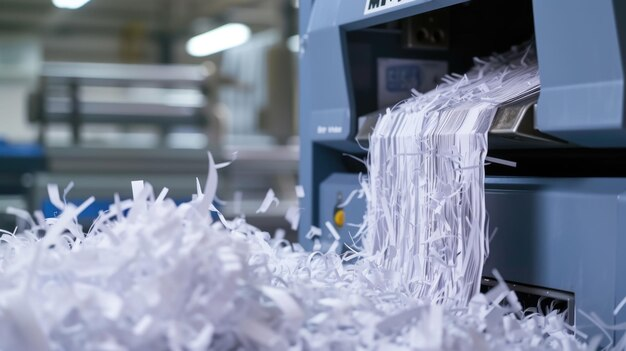
Understanding paper recycling Perth systems
Paper recycling starts at home, then continues through collection and processing. Local councils and service providers transport recyclables to facilities where paper products are sorted and cleaned. After that, the paper is pulped and turned into new items like cardboard, packaging, and office paper.
Additionally, quality matters. Clean, dry paper is easier to recycle and produces better end products. In contrast, wet or contaminated paper can lower the value of a whole load and may lead to rejection.
What happens after the bin is collected
Paper and cardboard are separated from other recyclables.
Contaminants like food residue, plastic, and coatings are removed.
Paper fibres are processed into pulp.
The pulp is used to make new paper-based products.
Why paper recycling is important for Perth households
Making paper from virgin materials uses trees, energy, and water. Recycling reduces demand for these resources and supports sustainability goals across Western Australia. It also helps lower greenhouse gas emissions linked to manufacturing and landfill.
Perth benefits when more paper is recovered and reused. Landfill space is limited, and reducing waste helps councils and communities manage costs and environmental impacts over time.
Key environmental benefits
Less landfill waste and fewer methane-related emissions.
Reduced demand for logging and habitat loss.
Lower energy and water use compared to new paper production.
What you can recycle at home (and what to avoid)
Most household recycling Perth programs accept common paper and cardboard items. However, some paper products cannot be recycled due to food contamination or mixed materials. When in doubt, check your local recycling guidelines Perth to avoid mistakes.
Commonly accepted paper and cardboard
Newspapers and magazines
Office paper and envelopes (without plastic windows)
Flattened cardboard boxes
Paper packaging and paper bags
Paper items that are usually not recyclable
Greasy or food-soiled paper (for example, oily pizza boxes)
Tissues, napkins, and paper towels
Wax-coated, laminated, or plastic-lined paper
Some shredded paper (rules vary by council)
How to improve paper recycling at home
Better recycling does not require big changes. Instead, small habits make sorting easier and reduce contamination. As a result, more material can be recovered and processed properly.
Practical steps for cleaner recycling
Keep paper dry: store recyclables under cover and close bin lids.
Flatten cardboard: it saves space and improves collection efficiency.
Separate correctly: keep food scraps, soft plastics, and general rubbish out.
Set up a simple system: use a small paper-only tub in the kitchen or study.
Follow local rules: check your council’s recycling guidelines Perth regularly.
How waste management services support recycling in Perth
Strong recycling results depend on teamwork between households, councils, and waste contractors. Providers help ensure collected materials reach the right facilities and are handled to required standards. However, the system still relies on households placing the right items in the right bin.
Organisations like CDD1 support structured waste services that strengthen collection and processing. To learn more about local options, you can also explore paper recycling Perth services and guidance.
Common challenges (and how to avoid them)
Contamination is the biggest issue in household recycling. One wrong item, such as food-soiled paper or mixed-material packaging, can affect a larger batch. Confusing packaging labels and changing rules can also lead to mistakes.
To reduce problems, keep recycling simple and consistent. Clear bin labels and quick household reminders help everyone follow the same process.
The future of paper recycling in Perth
Paper recycling Perth systems will continue to improve with better sorting technology and stronger public education. There is also a growing push for packaging designed to be easier to recycle. Therefore, household participation will remain essential to improving recovery rates and reducing landfill.
Final thoughts and next steps
Paper recycling is a practical way Perth households can reduce waste, conserve resources, and support a cleaner environment. When you recycle clean paper and cardboard correctly, you help keep recycling streams valuable and effective.
Call to action: Review your local recycling guidelines today, set up a simple paper-sorting station at home, and contact CDD1 if you need help with responsible waste and recycling services.
Frequently asked questions
What is paper recycling in Perth?
Paper recycling in Perth involves collecting used paper and cardboard, sorting it at facilities, and processing it into pulp to create new paper products.
What paper cannot be recycled?
Greasy paper, tissues, paper towels, wax-coated paper, and laminated or plastic-lined paper are usually not recyclable due to contamination or mixed materials.
Why is contamination a problem in recycling?
Contamination can reduce paper quality and may cause whole loads to be rejected, which increases landfill and lowers recycling efficiency.
How can households improve recycling results?
Keep paper dry, flatten cardboard, avoid food contamination, and follow your local household recycling Perth rules to reduce sorting errors.
What does CDD1 do in waste management?
CDD1 supports structured waste services that help recyclable materials get collected and processed correctly, improving outcomes across the recycling system.


Comments