
Top Methods for Safe and Reliable Document Destruction in Perth

In today’s business and personal landscape, safeguarding sensitive information is no longer optional—it is essential. Mismanaged documents can lead to financial loss, identity theft, regulatory fines, and long-term reputational damage. For organisations across Perth, choosing reliable methods for confidential document destruction Perth is crucial to ensure data remains secure while meeting legal obligations.
This guide explores effective destruction methods, offers best practices, and provides actionable advice to help businesses and individuals maintain confidentiality while being environmentally responsible.
Why Confidential Document Destruction Matters
Protecting Sensitive Information
Sensitive documents, including employee records, financial statements, client files, and internal correspondence, carry information that, if exposed, can have serious consequences. Improper disposal can lead to fraud, corporate espionage, or legal action.
Professional document destruction services, such as those offered by CDD1, ensure that confidential materials are fully destroyed and cannot be reconstructed, giving peace of mind to businesses and individuals alike.
Legal Compliance
In Australia, handling and disposing of personal and business data is regulated by laws including the Privacy Act 1988 and the Australian Privacy Principles (APPs). Organisations are legally required to protect personal information and ensure secure destruction of sensitive documents.
Using certified services for confidential document destruction Perth helps businesses comply with these legal requirements, mitigating the risk of fines or legal disputes.
Environmental Responsibility
Sustainable practices are increasingly important in business operations. Modern document destruction services often include recycling programs for shredded paper, cardboard, and electronic media. This ensures confidential materials are destroyed securely while minimising environmental impact.
Methods of Document Destruction in Perth
Choosing the right document destruction method depends on the type, volume, and sensitivity of information, as well as legal requirements.
1. Cross-Cut Shredding
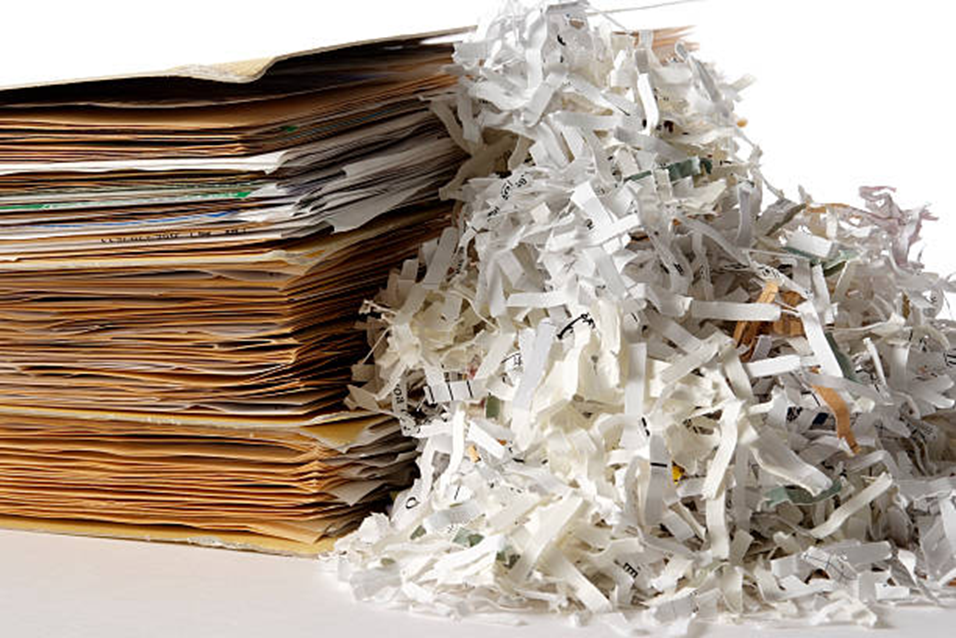
Cross-cut shredding involves cutting paper into small, confetti-like pieces that cannot be reconstructed. It is one of the most common methods for everyday sensitive document disposal.
Benefits:
Provides a moderate-to-high level of security
Cost-effective for small businesses or offices
Suitable for paper and some forms of cardboard
Limitations:
Limited capacity for large volumes
Requires regular maintenance for optimal performance
Cross-cut shredding is ideal for organisations that need to dispose of routine paperwork, invoices, and internal memos regularly, while keeping sensitive information secure.
2. Industrial Shredding
For businesses with high volumes of documents, industrial shredding is the preferred solution. These machines are capable of handling hundreds of kilograms per hour, shredding paper, CDs, credit cards, and other forms of media.
Benefits:
High-security destruction of large volumes
Efficient for bulk disposal
Reduces risk of information reconstruction
Limitations:
Requires professional operation
Higher cost than standard shredding methods
Industrial shredding is particularly useful for companies handling extensive client files, financial statements, or archived records that require complete destruction.
3. Secure On-Site Destruction
Secure on-site destruction involves a certified provider bringing mobile shredding equipment to your premises. Documents are destroyed immediately in your presence, allowing for transparency and verification.
Benefits:
Immediate destruction on-site
Builds trust through real-time verification
Minimises risk during transportation
Limitations:
Scheduling required
Slightly higher cost compared to off-site options
This method is particularly suited for organisations that require high-security disposal and want to observe the destruction process for compliance purposes.
4. Off-Site Destruction with Chain-of-Custody
Off-site destruction involves transporting confidential materials to a secure facility. Providers like CDD1 maintain a strict chain of custody to ensure documents remain safe throughout the process.
Benefits:
Efficient for large quantities
Professional oversight and high security
Ideal for archived records or long-term storage disposal
Limitations:
Requires secure transportation logistics
Less immediate than on-site destruction
Off-site destruction is effective for businesses with large volumes of records that cannot be destroyed on-site due to space or equipment constraints.
5. Electronic Media Destruction
As organizations increasingly rely on digital storage, secure disposal of electronic media is critical. Hard drives, USBs, CDs, and servers may contain sensitive information that must be destroyed to prevent data breaches.
Methods include:
Degaussing: Erases magnetic data on hard drives
Physical destruction: Shredding hard drives or CDs
Data overwriting: Multiple-pass software overwrites files to prevent recovery
Benefits:
Protects against data theft
Ensures compliance with IT security regulations
Suitable for sensitive financial, client, or employee data
Electronic media destruction is vital for organisations handling personal, financial, or confidential digital data, reducing the risk of cyber-related breaches.
Comparing Document Destruction Methods
Method | Security Level | Volume Handling | Cost | Environmental Impact |
Cross-Cut Shredding | Medium | Low | Low | Medium |
Industrial Shredding | High | High | Medium-High | High (recyclable) |
On-Site Destruction | Very High | Medium | Medium-High | High (recyclable) |
Off-Site Destruction | Very High | High | Medium | High (recyclable) |
Electronic Media Destruction | Very High | Low-Medium | Medium-High | Medium |
This comparison helps businesses in Perth choose the most appropriate method depending on their security needs, document volume, and environmental considerations.
Choosing the Right Provider in Perth
Selecting a trusted document destruction provider is essential to ensure confidentiality, compliance, and sustainability.
1. Certification and Compliance
Providers must comply with Australian privacy laws and hold recognised certifications. CDD1 offers services aligned with legal requirements, ensuring secure destruction of sensitive materials.
2. Range of Service Options
Look for providers that offer both on-site and off-site destruction, as well as electronic media disposal, to accommodate different business needs.
3. Experience and Reputation
Choose providers with established experience, client testimonials, and a proven track record of secure document handling.
4. Environmental Policies
Providers incorporating recycling and sustainability practices reduce environmental impact and support corporate social responsibility initiatives.
5. Cost and Scalability
Evaluate your organisation’s current document volumes and growth potential. Scalable services ensure cost-effective solutions that can expand as business needs change.
Best Practices for Secure Document Destruction
Implementing the following practices will improve security and efficiency:
Document Retention Policy – Identify which documents must be retained, for how long, and which should be destroyed regularly.
Secure Storage Before Destruction – Use locked bins or secure rooms to store sensitive documents awaiting disposal.
Staff Training – Ensure employees understand the importance of secure disposal and follow procedures consistently.
Destruction Certificates – Keep certificates of destruction for compliance and audit purposes.
Routine Schedule – Regular destruction prevents accumulation of sensitive documents and reduces security risks.
Conclusion
Secure document destruction is essential for protecting sensitive information, maintaining regulatory compliance, and reducing risk. Perth businesses have access to multiple destruction methods, from cross-cut shredding to industrial and electronic media disposal.
Partnering with a trusted provider like CDD1 ensures documents are destroyed safely, legally, and sustainably. Implementing secure practices and selecting the right destruction methods helps organisations protect data, support environmental initiatives, and maintain trust with clients and stakeholders.
For more information on secure document disposal, visit CDD1 to explore solutions tailored to your business needs, or get in touch with their team to discuss how they can support your organisation.
FAQ: Confidential Document Destruction in Perth
Q1: What is confidential document destruction?
It is the secure disposal of sensitive documents and digital media to prevent unauthorised access or reconstruction.
Q2: Is off-site destruction secure?
Yes. Certified providers follow strict chain-of-custody procedures and maintain compliance with legal standards.
Q3: How often should documents be destroyed?
The frequency depends on document type and regulatory requirements. Businesses often schedule monthly, quarterly, or annual destruction.
Q4: Can digital files be destroyed with paper shredders?
No. Electronic media requires specialised methods such as degaussing, hard drive shredding, or secure overwriting.
Q5: Why choose CDD1 for document destruction in Perth?
CDD1 provides certified, secure, and environmentally responsible services. They offer on-site and off-site solutions for businesses of all sizes, ensuring compliance and confidentiality.


Comments